Content Strategy: Optimizing the Newsletter
Newsletters get a bad rap. People hear the word and picture spam, long-winded rants, or bland corporate updates. But a good newsletter is none of those things. A good newsletter is an owned audience engine. It is the one channel where you reach people without crossing your fingers and hoping an algorithm feels generous today.
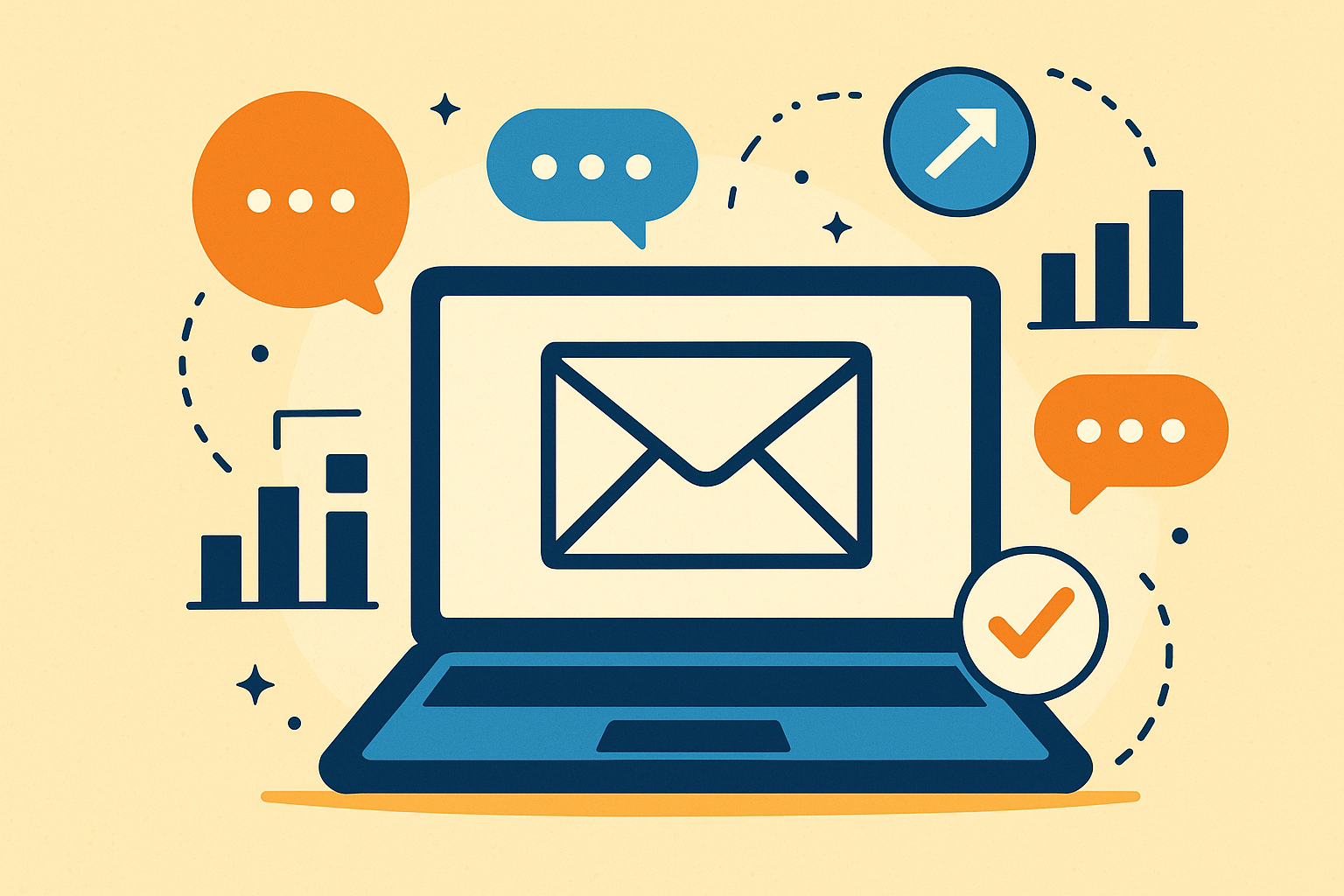 When you rely on social feeds, you’re renting access. When you rely on a newsletter, you own the connection. Someone chose to hear from you. They invited you into their inbox. That’s a privilege most channels can’t match.
The challenge is that many teams start newsletters without a clear purpose. They send content because they think they’re supposed to. They pick a frequency at random. They hope people will care. Then they burn out when engagement drops.
In this latest article in my ongoing Content Strategy series, my goal is to demonstrate how a successful newsletter begins with intent, not output.
Start With the Promise
Before you write a single issue of your brand-spanking-new-newsletter, define the promise. One line. Straightforward. No clever wordplay needed. Just tell people what they can expect from you.
A clear promise needs three parts:
- Frequency: how often you’ll show up.
- Format: what it will look like.
- Value: what the reader gets.
This is the contract you make with your audience. If you promise a weekly five-minute briefing for product teams, then deliver that every week. If you promise a monthly internal update that cuts through noise and gives teams what they need to move, stick to it.
People don’t unsubscribe because your newsletter is too simple. They unsubscribe because they don’t understand why it exists.
Use Ethical Lead Magnets
Lead magnets got a reputation for being bait, and often for good reason. Huge PDFs no one asked for. “Exclusive” guides that repeat the same tips you can find anywhere. Nobody needs more of that.
But the right magnet can help the right reader find you. Think small. Think helpful. Think aligned with your promise.
- A checklist that speeds up a task.
- A template that reduces friction.
- A mini-course that solves one small problem.
If someone downloads a template that helps them make better sprint reviews, and your newsletter teaches teams how to run better product processes, that’s alignment. It sets a tone. It shows value early. It builds trust before the first issue arrives.
Segment Lightly
You do not need a complex automation system. You just need enough segmentation to make the message feel relevant.
Segment by role, industry, or the problem people care about. Keep it simple. Use light personalization to adjust the intro or swap a CTA. The core of the newsletter should be consistent so you’re not running five different editorial calendars.
Most teams overthink segmentation and then abandon the whole effort because it becomes too heavy. Start light. Expand when the value is clear.
Get the First 50 Words Right
Three elements shape your open rate and engagement more than anything else.
- The subject line.
- The preview text.
- The first 50 words.
This is where readers decide whether they give you thirty seconds or send you straight to the archive.
Short subject lines work best. They create curiosity without being cute. The preview text should extend the idea, not repeat it. And the first 50 words should say something real. Lead with a problem, a payoff, or a simple story that makes people nod.
This is the part worth testing. Run A/B tests on subject lines and preview text. It’s low effort. You learn fast. Over time, you’ll see clear patterns in what triggers engagement.
Use Consistent CTAs and Invite Replies
A newsletter is not a magazine. It’s a relationship channel. Every issue should make it easy for readers to take one simple action.
- One main CTA. Not five.
- A soft secondary CTA if you need it.
- A standing invitation to reply.
This last part matters. When someone replies, you learn what is working, what is missing, and what people actually care about. Replies are a feedback loop, a research tool, and a trust builder.
If you treat your newsletter as a conversation instead of a broadcast, your engagement will reflect that.
Internal Newsletters Need the “Why This Matters” Layer
Internal newsletters often feel like a list of updates. A long list. No one has time for that. Teams want to know what changed, why it matters, and what they are supposed to do now.
Add context. Tie updates to goals and outcomes. Show teams what success looks like. Highlight what’s next instead of dumping everything that happened. Internal newsletters work best when they reduce confusion and help people focus.
Measure List Health, Not Just Size
A growing list feels good, but a healthy list performs better. Pay attention to these signals.
- Growth: are the right people subscribing?
- Churn: are unsubscribes steady or spiking?
- Engagement: opens, clicks, replies, forwards.
- Retention: do readers stay active over time?
Look at patterns, not isolated numbers. A healthy list trends upward in engagement even if the overall size grows slowly. That’s the sign of a newsletter people look forward to, not one they tolerate.
Treat It Like a Product
A good newsletter has a user story. It solves a recurring problem. It has a release schedule you can stick with. It has a short roadmap of future topics, even if that roadmap shifts over time.
You don’t need a giant plan. You need a habit. A two-month rolling list of ideas is enough. Review what performed. Drop what didn’t. Keep what resonated.
Remember that a newsletter is not email marketing. It is long-term infrastructure. It builds an audience you own. It creates consistent touchpoints. It strengthens community and credibility. And it works just as well inside a company as it does outside it.
The goal is simple. Build a list you can reach without algorithms. Deliver something useful. Keep your promise. Over time, the newsletter becomes one of the most stable parts of your content strategy.