
Blue Plate Special: James
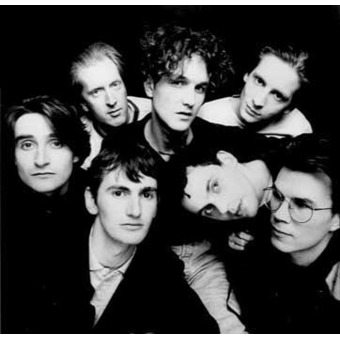 Formed in Manchester, England, in 1982 by Paul Gilbertson and Jim Glennie, James evolved from an improvisational garage outfit into one of the most resilient fixtures of British alternative rock. The band solidified its presence when charismatic vocalist and dancer Tim Booth joined the ranks, setting the stage for a career defined by continuous transformation. Their early potential caught the attention of local legends like The Smiths and Factory Records founder Tony Wilson, but internal struggles and label transitions slowed their initial momentum. They finally achieved mainstream breakthrough during the 1990s Madchester boom. Despite a six-year hiatus following Booth’s temporary departure in 2001, James officially reunited in 2007 and has since maintained a highly prolific schedule of global touring and recording, amassing more than 25 million album sales worldwide over more than four decades.
Musically, James defied simple categorization by constantly shifting between urgent, ringing guitar pop, indie-pop, and expansive art rock. Their sonic architecture is characterized by textured guitar layers, lush arrangements, and Booth’s soaring, introspective vocals, which are complemented by a diverse instrumental palette featuring violin, keyboards, and trumpet. Driven by an adventurous, creative spirit, the group frequently shifted styles, transitioning from early folk-tinged post-punk to the club-ready rhythms of the acid house movement. Their collaborations with legendary ambient producer Brian Eno further expanded their boundaries, steering them away from conventional arena rock toward experimental, improvised, and deeply atmospheric soundscapes that balanced pop accessibility with avant-garde textures.
The band left a profound cultural imprint through their collective visual identity and deeply resonant themes. Opting for a collaborative, ego-free image, they went as far as creating a composite photo of all their faces for the cover of their 2001 album, Pleased to Meet You. This sense of unity is mirrored in their live shows, where performance functions as a shared, celebratory ritual. Anthems like “Sit Down” and “Laid” grew into generation-defining singles that bridged British indie culture and American alternative college radio. By seamlessly blending themes of emotional vulnerability with mass-appeal melodies, James shaped the trajectory of modern alternative music, a legacy they continue to honor through grand orchestral re-workings and acclaimed contemporary albums like Yummy.
Some of my favorites from their catalog:
Laid – from the album Laid (1993)
Jam J – from the album WAH WAH (1994)
Say Something – from the album Laid (1993)
What For – from the album Strip-mine (1988)
Sometimes – from the album Laid (1993)
Lose Control – from the album James (1991)
Tomorrow – from the album Whiplash (1997)